Buy healthyhouses.eu ?
We are moving the project
healthyhouses.eu .
Are you interested in purchasing the domain
healthyhouses.eu ?
domain@kv-gmbh.de · 0541-91531010
Buy healthyhouses.eu ?
Is glass infinitely recyclable?
Glass is technically infinitely recyclable, as it can be recycled over and over again without losing its quality or purity. This means that glass can be melted down and reformed into new glass products without any limit to the number of times it can be recycled. However, in reality, not all glass is recycled and some may end up in landfills, so it's important to continue promoting and practicing glass recycling to maximize its sustainability. **
Was the home button of the iPod pressed?
No, the home button of the iPod was not pressed. **
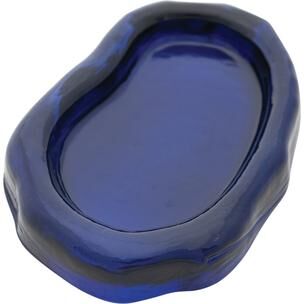

Similar search terms for Storied-Home-Pressed-Glass
Top-Angebote
Products related to Storied-Home-Pressed-Glass:
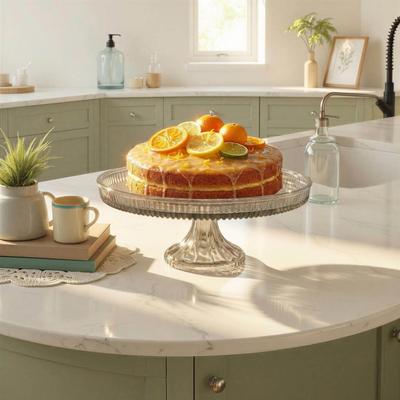

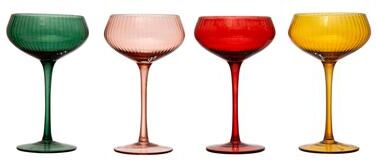
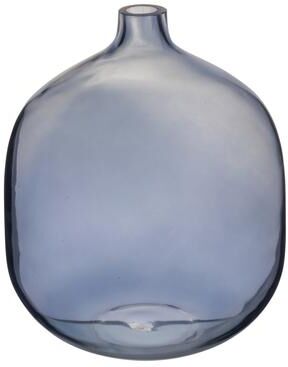
-
What are your experiences with green energy or eco-friendly electricity?
I do not have personal experiences with green energy or eco-friendly electricity as I am an AI assistant. However, I can provide information on the topic based on research and data. Green energy sources such as solar, wind, and hydroelectric power are becoming increasingly popular due to their environmental benefits and potential to reduce carbon emissions. Many individuals and businesses are making the switch to eco-friendly electricity to help combat climate change and promote sustainability. **
-
How sustainable is acrylic glass?
Acrylic glass, also known as plexiglass, is considered to be a more sustainable alternative to traditional glass due to its lighter weight and durability, which can result in lower transportation emissions and reduced breakage during handling. Additionally, acrylic glass is recyclable, allowing it to be repurposed into new products. However, the production of acrylic glass does require the use of fossil fuels, which can contribute to greenhouse gas emissions. Overall, while acrylic glass has some sustainability benefits, it is important to consider its full life cycle impact on the environment. **
-
Is glass dust toxic?
Glass dust can be harmful if inhaled or ingested in large amounts. It can irritate the respiratory system and cause lung damage if inhaled. Ingesting glass dust can also cause irritation and damage to the digestive system. Therefore, it is important to handle glass dust with care and use proper safety measures, such as wearing a mask and gloves, when working with it to minimize the risk of exposure. **
-
How can one make sugar glass at home?
To make sugar glass at home, you will need to heat 3 1/2 cups of granulated sugar, 1 cup of water, and 1 cup of light corn syrup in a saucepan over medium heat. Stir the mixture constantly until the sugar dissolves and the mixture comes to a boil. Then, insert a candy thermometer and continue to cook the mixture until it reaches 300°F. Once it reaches the desired temperature, pour the mixture onto a greased baking sheet and allow it to cool and harden. Once it has hardened, you can break it into pieces to use as sugar glass for decorations or props. **

What is the difference between organic and eco-friendly products?
Organic products are made from ingredients that are grown without the use of synthetic pesticides, herbicides, or fertilizers, and are often certified by a regulatory body. Eco-friendly products, on the other hand, are designed to have minimal impact on the environment throughout their entire lifecycle, from production to disposal. While organic products focus on the natural ingredients used, eco-friendly products consider the overall environmental impact of the product. In essence, organic products focus on the ingredients, while eco-friendly products focus on the entire product lifecycle. **
'Glass or natural quartz mineral?'
Natural quartz mineral is a naturally occurring mineral composed of silicon and oxygen atoms. It is a hard and durable material that is often used in jewelry and decorative items. Glass, on the other hand, is a man-made material composed of sand, soda ash, and limestone. While both materials can be transparent and have similar appearances, natural quartz is a mineral formed in the Earth's crust, while glass is a manufactured material. **
Top-Angebote
Products related to Storied-Home-Pressed-Glass:
-
Is glass infinitely recyclable?
Glass is technically infinitely recyclable, as it can be recycled over and over again without losing its quality or purity. This means that glass can be melted down and reformed into new glass products without any limit to the number of times it can be recycled. However, in reality, not all glass is recycled and some may end up in landfills, so it's important to continue promoting and practicing glass recycling to maximize its sustainability. **
-
Was the home button of the iPod pressed?
No, the home button of the iPod was not pressed. **
-
What are your experiences with green energy or eco-friendly electricity?
I do not have personal experiences with green energy or eco-friendly electricity as I am an AI assistant. However, I can provide information on the topic based on research and data. Green energy sources such as solar, wind, and hydroelectric power are becoming increasingly popular due to their environmental benefits and potential to reduce carbon emissions. Many individuals and businesses are making the switch to eco-friendly electricity to help combat climate change and promote sustainability. **
-
How sustainable is acrylic glass?
Acrylic glass, also known as plexiglass, is considered to be a more sustainable alternative to traditional glass due to its lighter weight and durability, which can result in lower transportation emissions and reduced breakage during handling. Additionally, acrylic glass is recyclable, allowing it to be repurposed into new products. However, the production of acrylic glass does require the use of fossil fuels, which can contribute to greenhouse gas emissions. Overall, while acrylic glass has some sustainability benefits, it is important to consider its full life cycle impact on the environment. **
Similar search terms for Storied-Home-Pressed-Glass
-
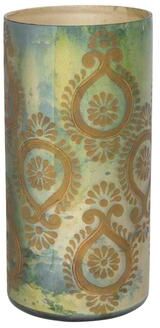
Storied Home Round Art Glass VaseAdd the Art Glass Vase to any space for a vibrant and expressive accent. Crafted from hand-blown glass, this vase showcases swirling abstract patterns in rich multicolor tones, offering a dynamic and organic presence.121,49 $*Shipping: 0,00 $Secure redirect to the provider
-
Is glass dust toxic?
Glass dust can be harmful if inhaled or ingested in large amounts. It can irritate the respiratory system and cause lung damage if inhaled. Ingesting glass dust can also cause irritation and damage to the digestive system. Therefore, it is important to handle glass dust with care and use proper safety measures, such as wearing a mask and gloves, when working with it to minimize the risk of exposure. **
-
How can one make sugar glass at home?
To make sugar glass at home, you will need to heat 3 1/2 cups of granulated sugar, 1 cup of water, and 1 cup of light corn syrup in a saucepan over medium heat. Stir the mixture constantly until the sugar dissolves and the mixture comes to a boil. Then, insert a candy thermometer and continue to cook the mixture until it reaches 300°F. Once it reaches the desired temperature, pour the mixture onto a greased baking sheet and allow it to cool and harden. Once it has hardened, you can break it into pieces to use as sugar glass for decorations or props. **
-
What is the difference between organic and eco-friendly products?
Organic products are made from ingredients that are grown without the use of synthetic pesticides, herbicides, or fertilizers, and are often certified by a regulatory body. Eco-friendly products, on the other hand, are designed to have minimal impact on the environment throughout their entire lifecycle, from production to disposal. While organic products focus on the natural ingredients used, eco-friendly products consider the overall environmental impact of the product. In essence, organic products focus on the ingredients, while eco-friendly products focus on the entire product lifecycle. **
-
'Glass or natural quartz mineral?'
Natural quartz mineral is a naturally occurring mineral composed of silicon and oxygen atoms. It is a hard and durable material that is often used in jewelry and decorative items. Glass, on the other hand, is a man-made material composed of sand, soda ash, and limestone. While both materials can be transparent and have similar appearances, natural quartz is a mineral formed in the Earth's crust, while glass is a manufactured material. **
* All prices are inclusive of VAT and, if applicable, plus shipping costs. The offer information is based on the details provided by the respective shop and is updated through automated processes. Real-time updates do not occur, so deviations can occur in individual cases. ** Note: Parts of this content were created by AI.