Buy healthyhouses.eu ?
We are moving the project
healthyhouses.eu .
Are you interested in purchasing the domain
healthyhouses.eu ?
domain@kv-gmbh.de · 0541-91531010
Buy healthyhouses.eu ?
Is organic sustainable?
Organic farming practices can be more sustainable than conventional methods in terms of reducing chemical inputs, promoting biodiversity, and improving soil health. However, there are challenges to the scalability and efficiency of organic farming, which can impact its overall sustainability. For example, organic farming typically requires more land and labor to produce the same amount of food as conventional methods, which can limit its ability to meet global food demand. Additionally, the transportation and distribution of organic products can have a higher environmental impact due to their shorter shelf life and the need for refrigeration. Overall, while organic farming has many sustainable benefits, there are also limitations to its long-term sustainability on a large scale. **
What is the difference between organic and non-organic?
Organic products are grown and produced without the use of synthetic pesticides, fertilizers, or genetically modified organisms. They also do not contain artificial preservatives or additives. Non-organic products, on the other hand, may contain synthetic chemicals and pesticides, and are often produced using genetically modified organisms. Organic farming practices also focus on sustainability and environmental conservation, while non-organic farming may have a greater impact on the environment. **

Similar search terms for Organic
Top-Angebote
Products related to Organic:
-
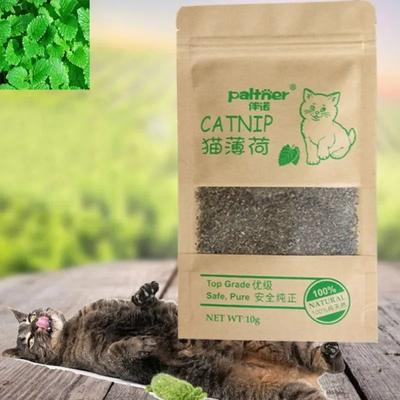
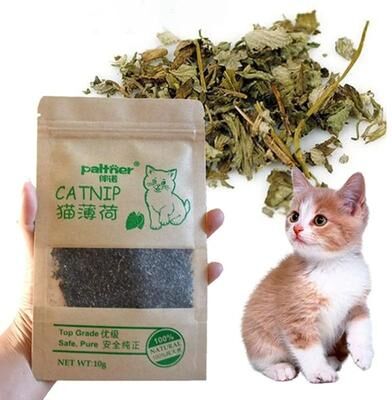
Uplift Treasures Natural Organic Catnip Mint Toy Natural Organic Catnip Mint ToyProduct Description: Treat your feline to endless fun with this 100% natural organic catnip toy made with premium mintflavored cat grass ingredients. Designed to stimulate playfulness and relaxation, this interactive cat toy helps keep cats...52,97 $*Shipping: 0,00 $Secure redirect to the provider
-
Uplift Essentials PureLeaf 100% Organic Natural Catnip PureLeaf 100% Organic Natural CatnipElevate your cat's playtime with PureLeaf Organic Catnip, the gold standard for feline enrichment. Handharvested at the peak of freshness and dried to preserve maximum potency, this 100% natural herb contains high concentrations of nepetalactonethe...34,97 $*Shipping: 0,00 $Secure redirect to the provider
-
Benamôr Alecrim Purifying Hand Cream with Organic Rosemary 30mLA hand cream. Treat your hands to the refreshing power of Alecrim Purifying Hand Cream. Enriched with organic rosemary, eucalyptus, and peppermint, it deeply nourishes, softens, and leaves your hands feeling purified and ultra-soft. Hydrates and softens hands with nourishing ingredients. Purifies and refreshes with organic rosemary, eucalyptus, and peppermint extracts.8,81 £*Shipping: 4,22 £Secure redirect to the provider
-
Benamôr Alecrim Purifying Foot Cream with Organic Rosemary 90mLA body-care product. Soothe and refresh your feet with Alecrim Purifying Foot Cream. Enriched with organic rosemary, eucalyptus, and peppermint extracts, this natural, vegan formula deeply nourishes, cools, and leaves your feet smooth, clean, and revitalized. Refreshes and cools tired, aching feet. Deeply nourishes and softens.15,78 £*Shipping: 5,34 £Secure redirect to the provider



-
What is the difference between organic and eco-friendly products?
Organic products are made from ingredients that are grown without the use of synthetic pesticides, herbicides, or fertilizers, and are often certified by a regulatory body. Eco-friendly products, on the other hand, are designed to have minimal impact on the environment throughout their entire lifecycle, from production to disposal. While organic products focus on the natural ingredients used, eco-friendly products consider the overall environmental impact of the product. In essence, organic products focus on the ingredients, while eco-friendly products focus on the entire product lifecycle. **
-
Do you prefer to buy organic or non-organic products?
As an AI, I do not have personal preferences. However, some people prefer to buy organic products because they believe they are healthier and better for the environment. On the other hand, others may choose non-organic products due to cost considerations or lack of availability of organic options. Ultimately, the choice between organic and non-organic products depends on individual values and priorities. **
-
What is the difference between organic and non-organic potatoes?
Organic potatoes are grown without the use of synthetic pesticides, herbicides, or fertilizers. They are also non-GMO and are typically grown in soil that has been free from prohibited substances for at least three years. Non-organic potatoes, on the other hand, may be grown with the use of synthetic chemicals and may be genetically modified. Additionally, organic potatoes are often grown using sustainable farming practices that promote soil health and biodiversity. **
-
Why is organic chemistry called organic chemistry?
Organic chemistry is called so because it was originally believed that compounds found in living organisms could only be produced by living organisms, and were therefore called "organic" compounds. This belief was later disproven, but the name stuck. Organic chemistry is the study of carbon-containing compounds, which are abundant in living organisms, and it focuses on the structure, properties, and reactions of these compounds. **

Aren't non-organic potatoes with skin unhealthy?
Non-organic potatoes with skin are not necessarily unhealthy. While organic potatoes are grown without synthetic pesticides and fertilizers, non-organic potatoes can still be a nutritious part of a balanced diet. The skin of the potato contains fiber, vitamins, and minerals, so it can be beneficial to consume. However, it is important to wash non-organic potatoes thoroughly to remove any pesticide residue before consuming them. Overall, including potatoes with skin in moderation as part of a diverse diet can be a healthy choice. **
Is low-fat milk organic and environmentally friendly?
Low-fat milk can be organic if it is produced without the use of synthetic pesticides, fertilizers, or genetically modified organisms. Organic farming practices are generally more environmentally friendly as they promote soil health, biodiversity, and water conservation. However, the environmental impact of any dairy product, including low-fat milk, also depends on factors such as transportation, packaging, and waste management. It is important to look for certifications such as USDA Organic or other reputable organic certifications to ensure that the low-fat milk you choose is both organic and environmentally friendly. **
Top-Angebote
Products related to Organic:
-
Babyletto x Avocado Dual-stage, Organic & Non-Toxic Crib MattressBreathe easy and sleep soundly with the babyletto x Avocado Organic Crib Mattress! We've partnered with the safest, most sustainable brand in sleep to create an organic, non-toxic crib mattress designed to provide your baby's best rest. Featuring a...359,00 $*Shipping: 0,00 $Secure redirect to the provider
-
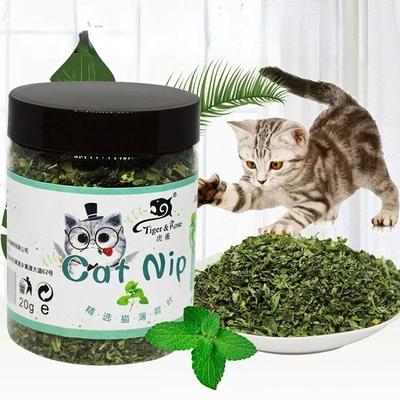
Uplifted Finds "Premium Organic ""High Energy"" Catnip Leaves Premium Organic ""High Energy"" Catnip Leaves""Indulge your felines senses with our Organic 100% Natural Catnip. This highpotency ""cattle grass"" is harvested at the peak of freshness and utilizes a mentholscent logic to trigger the release of nepetalactonethe natural oil that sends cats into a..."35,97 $*Shipping: 0,00 $Secure redirect to the provider
-
Uplift Treasures Natural Organic Catnip Mint Toy Natural Organic Catnip Mint ToyProduct Description: Treat your feline to endless fun with this 100% natural organic catnip toy made with premium mintflavored cat grass ingredients. Designed to stimulate playfulness and relaxation, this interactive cat toy helps keep cats...52,97 $*Shipping: 0,00 $Secure redirect to the provider
-
Uplift Essentials PureLeaf 100% Organic Natural Catnip PureLeaf 100% Organic Natural CatnipElevate your cat's playtime with PureLeaf Organic Catnip, the gold standard for feline enrichment. Handharvested at the peak of freshness and dried to preserve maximum potency, this 100% natural herb contains high concentrations of nepetalactonethe...34,97 $*Shipping: 0,00 $Secure redirect to the provider
-
Is organic sustainable?
Organic farming practices can be more sustainable than conventional methods in terms of reducing chemical inputs, promoting biodiversity, and improving soil health. However, there are challenges to the scalability and efficiency of organic farming, which can impact its overall sustainability. For example, organic farming typically requires more land and labor to produce the same amount of food as conventional methods, which can limit its ability to meet global food demand. Additionally, the transportation and distribution of organic products can have a higher environmental impact due to their shorter shelf life and the need for refrigeration. Overall, while organic farming has many sustainable benefits, there are also limitations to its long-term sustainability on a large scale. **
-
What is the difference between organic and non-organic?
Organic products are grown and produced without the use of synthetic pesticides, fertilizers, or genetically modified organisms. They also do not contain artificial preservatives or additives. Non-organic products, on the other hand, may contain synthetic chemicals and pesticides, and are often produced using genetically modified organisms. Organic farming practices also focus on sustainability and environmental conservation, while non-organic farming may have a greater impact on the environment. **
-
What is the difference between organic and eco-friendly products?
Organic products are made from ingredients that are grown without the use of synthetic pesticides, herbicides, or fertilizers, and are often certified by a regulatory body. Eco-friendly products, on the other hand, are designed to have minimal impact on the environment throughout their entire lifecycle, from production to disposal. While organic products focus on the natural ingredients used, eco-friendly products consider the overall environmental impact of the product. In essence, organic products focus on the ingredients, while eco-friendly products focus on the entire product lifecycle. **
-
Do you prefer to buy organic or non-organic products?
As an AI, I do not have personal preferences. However, some people prefer to buy organic products because they believe they are healthier and better for the environment. On the other hand, others may choose non-organic products due to cost considerations or lack of availability of organic options. Ultimately, the choice between organic and non-organic products depends on individual values and priorities. **
Similar search terms for Organic
-
Benamôr Alecrim Purifying Hand Cream with Organic Rosemary 30mLA hand cream. Treat your hands to the refreshing power of Alecrim Purifying Hand Cream. Enriched with organic rosemary, eucalyptus, and peppermint, it deeply nourishes, softens, and leaves your hands feeling purified and ultra-soft. Hydrates and softens hands with nourishing ingredients. Purifies and refreshes with organic rosemary, eucalyptus, and peppermint extracts.8,81 £*Shipping: 4,22 £Secure redirect to the provider
-
Benamôr Alecrim Purifying Foot Cream with Organic Rosemary 90mLA body-care product. Soothe and refresh your feet with Alecrim Purifying Foot Cream. Enriched with organic rosemary, eucalyptus, and peppermint extracts, this natural, vegan formula deeply nourishes, cools, and leaves your feet smooth, clean, and revitalized. Refreshes and cools tired, aching feet. Deeply nourishes and softens.15,78 £*Shipping: 5,34 £Secure redirect to the provider
-
Uplift Essentials Premium 100% Natural Organic Catnip (20g) Premium 100% Natural Organic Catnip (20g)"Ignite your cats senses with our 100% Natural Organic Catnip, the gold standard in feline enrichment. Harvested at the peak of freshness, this highpotency ""cattle grass"" mint is meticulously dried to preserve the essential oilsspecifically..."55,97 $*Shipping: 0,00 $Secure redirect to the provider
-
Uplifted Goods Organic 100% Natural High Quality Catnip Organic 100% Natural High Quality CatnipGive your feline friend a burst of excitement with this premium grade organic catnip. Sourced from 100% natural cattle grass mint, this high quality herb is designed to stimulate your cat senses and encourage active play. Whether sprinkled on a...39,97 $*Shipping: 0,00 $Secure redirect to the provider
-
What is the difference between organic and non-organic potatoes?
Organic potatoes are grown without the use of synthetic pesticides, herbicides, or fertilizers. They are also non-GMO and are typically grown in soil that has been free from prohibited substances for at least three years. Non-organic potatoes, on the other hand, may be grown with the use of synthetic chemicals and may be genetically modified. Additionally, organic potatoes are often grown using sustainable farming practices that promote soil health and biodiversity. **
-
Why is organic chemistry called organic chemistry?
Organic chemistry is called so because it was originally believed that compounds found in living organisms could only be produced by living organisms, and were therefore called "organic" compounds. This belief was later disproven, but the name stuck. Organic chemistry is the study of carbon-containing compounds, which are abundant in living organisms, and it focuses on the structure, properties, and reactions of these compounds. **
-
Aren't non-organic potatoes with skin unhealthy?
Non-organic potatoes with skin are not necessarily unhealthy. While organic potatoes are grown without synthetic pesticides and fertilizers, non-organic potatoes can still be a nutritious part of a balanced diet. The skin of the potato contains fiber, vitamins, and minerals, so it can be beneficial to consume. However, it is important to wash non-organic potatoes thoroughly to remove any pesticide residue before consuming them. Overall, including potatoes with skin in moderation as part of a diverse diet can be a healthy choice. **
-
Is low-fat milk organic and environmentally friendly?
Low-fat milk can be organic if it is produced without the use of synthetic pesticides, fertilizers, or genetically modified organisms. Organic farming practices are generally more environmentally friendly as they promote soil health, biodiversity, and water conservation. However, the environmental impact of any dairy product, including low-fat milk, also depends on factors such as transportation, packaging, and waste management. It is important to look for certifications such as USDA Organic or other reputable organic certifications to ensure that the low-fat milk you choose is both organic and environmentally friendly. **
* All prices are inclusive of VAT and, if applicable, plus shipping costs. The offer information is based on the details provided by the respective shop and is updated through automated processes. Real-time updates do not occur, so deviations can occur in individual cases. ** Note: Parts of this content were created by AI.