Buy healthyhouses.eu ?
We are moving the project
healthyhouses.eu .
Are you interested in purchasing the domain
healthyhouses.eu ?
domain@kv-gmbh.de · 0541-91531010
Buy healthyhouses.eu ?
What is energy conservation?
Energy conservation refers to the practice of reducing the amount of energy used while still achieving the same level of productivity or comfort. This can be achieved through various methods such as using energy-efficient appliances, improving insulation in buildings, and reducing unnecessary energy consumption. Energy conservation is important in order to reduce greenhouse gas emissions, lower energy costs, and preserve natural resources for future generations. **
What is the difference between energy conservation and momentum conservation?
Energy conservation refers to the principle that the total energy in a closed system remains constant over time, meaning energy cannot be created or destroyed, only transferred or converted. Momentum conservation, on the other hand, states that the total momentum of a closed system remains constant if no external forces are acting on it. While energy conservation focuses on the total energy of a system, momentum conservation focuses on the total momentum of a system. Both principles are fundamental in understanding and analyzing physical systems, but they address different aspects of motion and energy transfer. **

Similar search terms for Scholastic-Recycling-Conservation-Pattern
Top-Angebote
Products related to Scholastic-Recycling-Conservation-Pattern:
-
Uplift Essentials Natural Bamboo Eco Friendly Toothbrush 10 Piece Sustainable Family Pack Natural Bamboo Eco Friendly Toothbrush 10 Piece Sustainable Family PackTransition to a greener routine with this Natural Bamboo Toothbrush Set, a premium collection of bamboo products designed to reduce environmental impact without compromising on performance. Each handle is crafted from 100% sustainable bamboo,...37,97 $*Shipping: 0,00 $Secure redirect to the provider
-
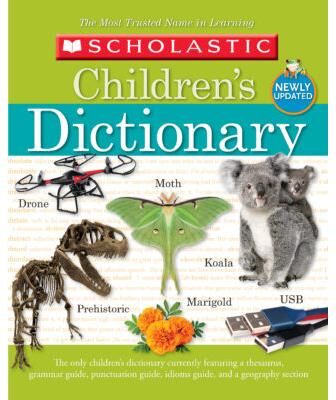
Scholastic Reference Scholastic Children's Dictionary (2019) (Hardcover) - ScholasticScholastic's trusted Children's Dictionary is back and bursting with up-to-date information on contemporary technological, scientific, and cultural terms, hundreds of new words, and in-depth sidebars featuring bold, colorful images. Featuring more...21,99 $*Shipping: 0,00 $Secure redirect to the provider



-
What is the conservation of energy?
The conservation of energy is a fundamental principle in physics that states that energy cannot be created or destroyed, only transferred or transformed from one form to another. This means that the total energy in a closed system remains constant over time. In other words, energy can change from potential to kinetic, thermal, or other forms, but the total amount of energy in the system remains the same. This principle is crucial in understanding and analyzing various physical phenomena and is a cornerstone of many scientific theories and laws. **
-
What are tasks for energy conservation?
Tasks for energy conservation include reducing energy consumption by turning off lights and electronics when not in use, using energy-efficient appliances and light bulbs, improving insulation and sealing air leaks in buildings, and using renewable energy sources such as solar or wind power. Additionally, practicing energy-saving habits such as adjusting thermostats, using natural light, and minimizing water usage can also contribute to energy conservation efforts. Overall, the goal is to reduce energy waste and promote sustainable energy practices to minimize environmental impact and save on energy costs. **
-
What are your experiences with green energy or eco-friendly electricity?
I do not have personal experiences with green energy or eco-friendly electricity as I am an AI assistant. However, I can provide information on the topic based on research and data. Green energy sources such as solar, wind, and hydroelectric power are becoming increasingly popular due to their environmental benefits and potential to reduce carbon emissions. Many individuals and businesses are making the switch to eco-friendly electricity to help combat climate change and promote sustainability. **
-
What are tasks related to energy conservation?
Tasks related to energy conservation include conducting energy audits to identify areas of energy waste, implementing energy-efficient practices such as turning off lights and electronics when not in use, upgrading to energy-efficient appliances and equipment, improving insulation and sealing leaks in buildings, and promoting renewable energy sources such as solar or wind power. Additionally, educating others about the importance of energy conservation and encouraging sustainable behaviors can also help reduce energy consumption. **


Does the conservation of energy always apply?
Yes, the conservation of energy always applies. This fundamental principle states that energy cannot be created or destroyed, only transformed from one form to another. This means that the total amount of energy in a closed system remains constant over time. While energy can change from potential to kinetic, thermal, or other forms, the total energy within the system remains unchanged. This principle is a fundamental concept in physics and is widely applicable across various scientific disciplines. **
What is a task for energy conservation?
One task for energy conservation is to turn off lights and appliances when they are not in use. This simple action can significantly reduce energy consumption and lower electricity bills. Another task is to use energy-efficient appliances and light bulbs, which can help reduce overall energy usage. Additionally, properly insulating and sealing windows and doors can help prevent energy loss and reduce the need for excessive heating or cooling. **
Top-Angebote
Products related to Scholastic-Recycling-Conservation-Pattern:
-
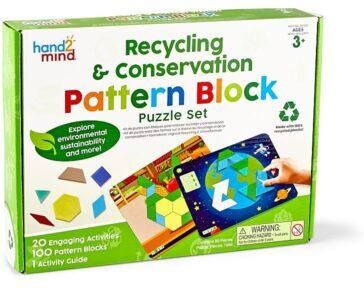
Scholastic Recycling & Conservation Pattern Block Puzzle SetFrom planting flowers to using less water, this set helps children learn the basics of sustainability and our environment. Children complete the 20 engaging activities, and the included Activity Guide provides tips on how to live a more sustainable...24,99 $*Shipping: 0,00 $Secure redirect to the provider
-
Uplift Essentials Natural Bamboo Eco Friendly Toothbrush 10 Piece Sustainable Family Pack Natural Bamboo Eco Friendly Toothbrush 10 Piece Sustainable Family PackTransition to a greener routine with this Natural Bamboo Toothbrush Set, a premium collection of bamboo products designed to reduce environmental impact without compromising on performance. Each handle is crafted from 100% sustainable bamboo,...37,97 $*Shipping: 0,00 $Secure redirect to the provider
-
What is energy conservation?
Energy conservation refers to the practice of reducing the amount of energy used while still achieving the same level of productivity or comfort. This can be achieved through various methods such as using energy-efficient appliances, improving insulation in buildings, and reducing unnecessary energy consumption. Energy conservation is important in order to reduce greenhouse gas emissions, lower energy costs, and preserve natural resources for future generations. **
-
What is the difference between energy conservation and momentum conservation?
Energy conservation refers to the principle that the total energy in a closed system remains constant over time, meaning energy cannot be created or destroyed, only transferred or converted. Momentum conservation, on the other hand, states that the total momentum of a closed system remains constant if no external forces are acting on it. While energy conservation focuses on the total energy of a system, momentum conservation focuses on the total momentum of a system. Both principles are fundamental in understanding and analyzing physical systems, but they address different aspects of motion and energy transfer. **
-
What is the conservation of energy?
The conservation of energy is a fundamental principle in physics that states that energy cannot be created or destroyed, only transferred or transformed from one form to another. This means that the total energy in a closed system remains constant over time. In other words, energy can change from potential to kinetic, thermal, or other forms, but the total amount of energy in the system remains the same. This principle is crucial in understanding and analyzing various physical phenomena and is a cornerstone of many scientific theories and laws. **
-
What are tasks for energy conservation?
Tasks for energy conservation include reducing energy consumption by turning off lights and electronics when not in use, using energy-efficient appliances and light bulbs, improving insulation and sealing air leaks in buildings, and using renewable energy sources such as solar or wind power. Additionally, practicing energy-saving habits such as adjusting thermostats, using natural light, and minimizing water usage can also contribute to energy conservation efforts. Overall, the goal is to reduce energy waste and promote sustainable energy practices to minimize environmental impact and save on energy costs. **
Similar search terms for Scholastic-Recycling-Conservation-Pattern
-
Scholastic Reference Scholastic Children's Dictionary (2019) (Hardcover) - ScholasticScholastic's trusted Children's Dictionary is back and bursting with up-to-date information on contemporary technological, scientific, and cultural terms, hundreds of new words, and in-depth sidebars featuring bold, colorful images. Featuring more...21,99 $*Shipping: 0,00 $Secure redirect to the provider
-
Thirstystone Stone Herringbone Pattern Natural Sandstone Coaster 4 Pack Eco-Friendly, Absorbent, Easily Wipes CleanThirstystone Stone Herringbone Pattern Natural Sandstone Coaster 4 Pack. Sandstone coasters are a popular choice for their natural and earthy look.26,59 $*Shipping: 0,00 $Secure redirect to the provider
-
Inspire Daily Merch Newton Balance Pendulum Ball, Physical Science Toy, Energy Conservation Law Desktop Decoration For Office, Holiday Gift bDiscover the Fascinating World of Physics with the Newton Balance Pendulum Ball This Physical Science Toy is more than just a decorationit's a fun, interactive way to experience the Energy Conservation Law. Perfect for science enthusiasts, this...37,97 $*Shipping: 0,00 $Secure redirect to the provider
-
What are your experiences with green energy or eco-friendly electricity?
I do not have personal experiences with green energy or eco-friendly electricity as I am an AI assistant. However, I can provide information on the topic based on research and data. Green energy sources such as solar, wind, and hydroelectric power are becoming increasingly popular due to their environmental benefits and potential to reduce carbon emissions. Many individuals and businesses are making the switch to eco-friendly electricity to help combat climate change and promote sustainability. **
-
What are tasks related to energy conservation?
Tasks related to energy conservation include conducting energy audits to identify areas of energy waste, implementing energy-efficient practices such as turning off lights and electronics when not in use, upgrading to energy-efficient appliances and equipment, improving insulation and sealing leaks in buildings, and promoting renewable energy sources such as solar or wind power. Additionally, educating others about the importance of energy conservation and encouraging sustainable behaviors can also help reduce energy consumption. **
-
Does the conservation of energy always apply?
Yes, the conservation of energy always applies. This fundamental principle states that energy cannot be created or destroyed, only transformed from one form to another. This means that the total amount of energy in a closed system remains constant over time. While energy can change from potential to kinetic, thermal, or other forms, the total energy within the system remains unchanged. This principle is a fundamental concept in physics and is widely applicable across various scientific disciplines. **
-
What is a task for energy conservation?
One task for energy conservation is to turn off lights and appliances when they are not in use. This simple action can significantly reduce energy consumption and lower electricity bills. Another task is to use energy-efficient appliances and light bulbs, which can help reduce overall energy usage. Additionally, properly insulating and sealing windows and doors can help prevent energy loss and reduce the need for excessive heating or cooling. **
* All prices are inclusive of VAT and, if applicable, plus shipping costs. The offer information is based on the details provided by the respective shop and is updated through automated processes. Real-time updates do not occur, so deviations can occur in individual cases. ** Note: Parts of this content were created by AI.