Buy healthyhouses.eu ?
We are moving the project
healthyhouses.eu .
Are you interested in purchasing the domain
healthyhouses.eu ?
domain@kv-gmbh.de · 0541-91531010
Buy healthyhouses.eu ?
Is it a load-bearing or non-load-bearing wall?
Without further information or context, it is impossible to determine if the wall in question is load-bearing or non-load-bearing. Load-bearing walls are designed to support the weight of a structure, while non-load-bearing walls are primarily used for dividing spaces and do not support structural weight. It is important to consult a structural engineer or building professional to assess the specific characteristics of the wall in question to determine its load-bearing capacity. **
What is static friction, kinetic friction, and rolling friction?
Static friction is the force that resists the initial motion of an object at rest. It is the friction force that must be overcome to start an object moving. Kinetic friction, on the other hand, is the force that opposes the motion of an object that is already in motion. Rolling friction is the force that resists the motion of a rolling object, such as a wheel or a ball, as it moves across a surface. It is generally lower than static and kinetic friction because the rolling motion reduces the amount of surface area in contact with the object, thus reducing the friction force. **


Similar search terms for REVLINE-5901797948313-Anti-friction-Bearing
Top-Angebote
Products related to REVLINE-5901797948313-Anti-friction-Bearing:
-
SHELL 550028095 Anti-friction Bearing GreaseWeight [g]: 400; Temperature range to [°C]: +120; Product line: Gadus; Version: S2 V220 2; Container Type: Cartridge; Chemical Properties: Contains mineral oil; NLGI Class: 2 (soft); Temperature range from [°C]: -20; ISO viscosity class: VG 220; Highest short-term temperature [°C]: +130; Liquid:6,99 £*Shipping: 8,45 £Secure redirect to the provider
-
MA PROFESSIONAL 20-B60 Anti-friction Bearing GreaseContainer Type: Cartridge; Product line: LT43 ; Universal: Yes; Temperature range from [°C]: -30; Temperature range to [°C]: 130; Chemical Properties: high corrosion protection; Features: LITHIUM ; Weight [g]: 400; Liquid:5,29 £*Shipping: 8,45 £Secure redirect to the provider
-
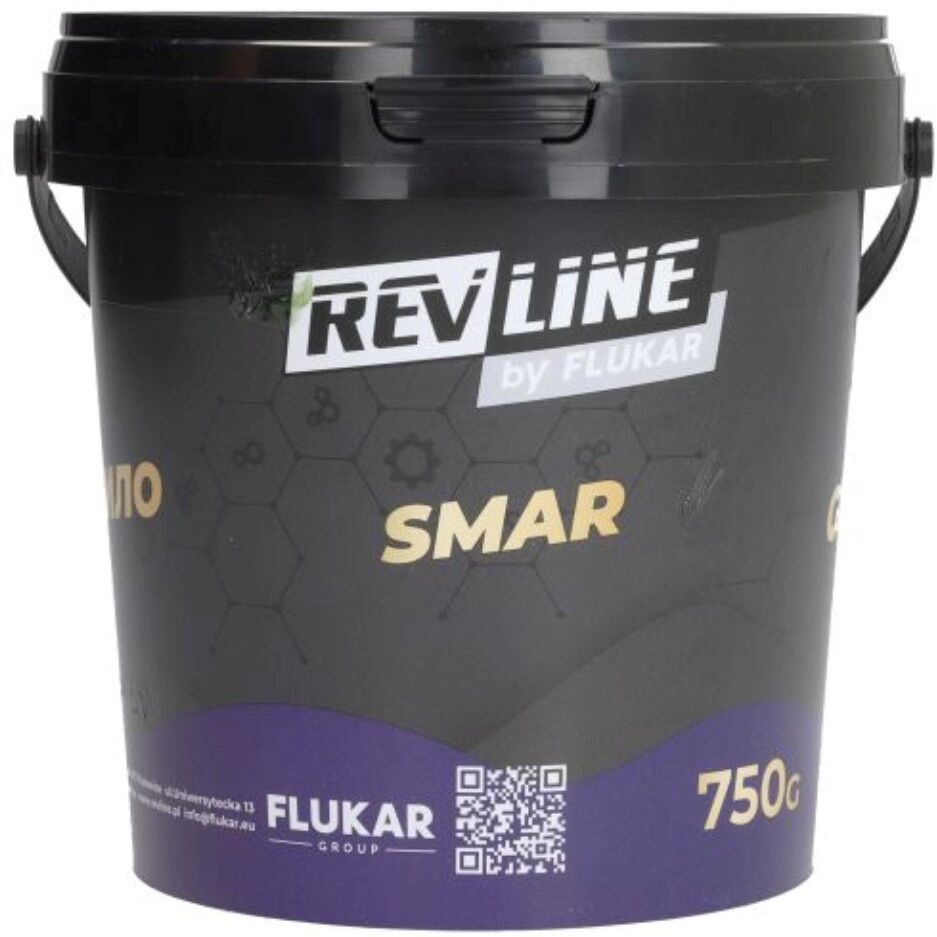
REVLINE 5901797949839 GreaseWeight [g]: 750; Container Type: Bucket; NLGI Class: 1 (very soft); DIN/ISO: DIN 51502 M1C-20, ISO 6743-9; Operating temperature from [°C]: -20; Operating temperature to [°C]: +60; Product line: Grease; Version: STP; Liquid:6,29 £*Shipping: 8,45 £Secure redirect to the provider


-
What are good examples of static friction, sliding friction, and rolling friction?
Good examples of static friction include a heavy box sitting on the floor that requires a lot of force to start moving, or a car tire on a road that is not moving. Sliding friction can be seen when you push a book across a table, or when you slide down a slide at the playground. Rolling friction is evident when a ball rolls across the ground, or when a car is in motion and its tires are rolling on the road. **
-
What is static friction and kinetic friction?
Static friction is the force that resists the initial motion of an object at rest. It is the frictional force that must be overcome in order to start an object moving. Kinetic friction, on the other hand, is the force that resists the motion of an object already in motion. It is the frictional force that opposes the movement of an object as it slides or rolls over a surface. Both types of friction are caused by the interactions between the surfaces of the object and the surface it is in contact with. **
-
'How do I recognize a load-bearing and a non-load-bearing wall?'
Load-bearing walls are typically located in the center of a building or perpendicular to the floor joists. They are usually made of thicker, stronger materials such as concrete, brick, or solid wood. Non-load-bearing walls, on the other hand, are often located on the perimeter of a building and are made of lighter materials such as drywall or wood studs. Additionally, load-bearing walls are essential for the structural integrity of a building, while non-load-bearing walls are primarily used for dividing space and can be removed without compromising the building's stability. If you are unsure, it is best to consult with a structural engineer or building professional to determine the load-bearing status of a wall. **
-
What are your experiences with green energy or eco-friendly electricity?
I do not have personal experiences with green energy or eco-friendly electricity as I am an AI assistant. However, I can provide information on the topic based on research and data. Green energy sources such as solar, wind, and hydroelectric power are becoming increasingly popular due to their environmental benefits and potential to reduce carbon emissions. Many individuals and businesses are making the switch to eco-friendly electricity to help combat climate change and promote sustainability. **
Why is static friction stronger than kinetic friction?
Static friction is stronger than kinetic friction because when an object is at rest, the microscopic rough surfaces of the two objects in contact have more time to interlock and create a stronger bond, requiring more force to overcome. Once the object starts moving, the surfaces are in motion and the interlocking is broken more easily, resulting in less resistance. This difference in interlocking and bonding between the surfaces is what causes static friction to be stronger than kinetic friction. **
What is better: friction paste or friction spray?
The choice between friction paste and friction spray depends on personal preference and the specific application. Friction paste is typically more durable and longer-lasting, making it better for heavy-duty or long-term use. On the other hand, friction spray is easier to apply and can be more convenient for quick or temporary fixes. Ultimately, the best option will depend on the specific needs and preferences of the user. **
Top-Angebote
Products related to REVLINE-5901797948313-Anti-friction-Bearing:
-
REVLINE 5901797948313 Anti-friction Bearing GreaseWeight [g]: 400; Container Type: Cartridge; NLGI Class: 3 (semi-hard); DIN/ISO: DIN 51502 K3K-30, ISO 6743-9; Operating temperature from [°C]: -30; Operating temperature to [°C]: +130; Product line: Grease; Version: LT 43; Liquid:5,99 £*Shipping: 8,45 £Secure redirect to the provider
-
SHELL 550050006 Anti-friction Bearing GreaseContainer Type: Cartridge; Temperature range from [°C]: -20; NLGI Class: 2 (soft); Weight [g]: 400; Temperature range to [°C]: +130; Product line: Gadus; Version: S2 V220 2; Chemical Properties: Contains mineral oil; ISO viscosity class: VG 220; Liquid:7,29 £*Shipping: 8,45 £Secure redirect to the provider
-
SHELL 550028095 Anti-friction Bearing GreaseWeight [g]: 400; Temperature range to [°C]: +120; Product line: Gadus; Version: S2 V220 2; Container Type: Cartridge; Chemical Properties: Contains mineral oil; NLGI Class: 2 (soft); Temperature range from [°C]: -20; ISO viscosity class: VG 220; Highest short-term temperature [°C]: +130; Liquid:6,99 £*Shipping: 8,45 £Secure redirect to the provider
-
Is it a load-bearing or non-load-bearing wall?
Without further information or context, it is impossible to determine if the wall in question is load-bearing or non-load-bearing. Load-bearing walls are designed to support the weight of a structure, while non-load-bearing walls are primarily used for dividing spaces and do not support structural weight. It is important to consult a structural engineer or building professional to assess the specific characteristics of the wall in question to determine its load-bearing capacity. **
-
What is static friction, kinetic friction, and rolling friction?
Static friction is the force that resists the initial motion of an object at rest. It is the friction force that must be overcome to start an object moving. Kinetic friction, on the other hand, is the force that opposes the motion of an object that is already in motion. Rolling friction is the force that resists the motion of a rolling object, such as a wheel or a ball, as it moves across a surface. It is generally lower than static and kinetic friction because the rolling motion reduces the amount of surface area in contact with the object, thus reducing the friction force. **
-
What are good examples of static friction, sliding friction, and rolling friction?
Good examples of static friction include a heavy box sitting on the floor that requires a lot of force to start moving, or a car tire on a road that is not moving. Sliding friction can be seen when you push a book across a table, or when you slide down a slide at the playground. Rolling friction is evident when a ball rolls across the ground, or when a car is in motion and its tires are rolling on the road. **
-
What is static friction and kinetic friction?
Static friction is the force that resists the initial motion of an object at rest. It is the frictional force that must be overcome in order to start an object moving. Kinetic friction, on the other hand, is the force that resists the motion of an object already in motion. It is the frictional force that opposes the movement of an object as it slides or rolls over a surface. Both types of friction are caused by the interactions between the surfaces of the object and the surface it is in contact with. **
Similar search terms for REVLINE-5901797948313-Anti-friction-Bearing
-
MA PROFESSIONAL 20-B60 Anti-friction Bearing GreaseContainer Type: Cartridge; Product line: LT43 ; Universal: Yes; Temperature range from [°C]: -30; Temperature range to [°C]: 130; Chemical Properties: high corrosion protection; Features: LITHIUM ; Weight [g]: 400; Liquid:5,29 £*Shipping: 8,45 £Secure redirect to the provider
-
REVLINE 5901797949839 GreaseWeight [g]: 750; Container Type: Bucket; NLGI Class: 1 (very soft); DIN/ISO: DIN 51502 M1C-20, ISO 6743-9; Operating temperature from [°C]: -20; Operating temperature to [°C]: +60; Product line: Grease; Version: STP; Liquid:6,29 £*Shipping: 8,45 £Secure redirect to the provider
-
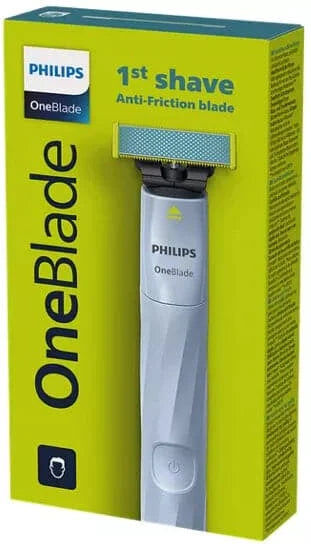
Philips OneBlade First Shave - Anti-Friction Blade (QP1324/20), NewThe Philips OneBlade First Shave (QP1324/20) is designed for young men starting their shaving journey, featuring an anti-friction blade for gentle trimming, edging, and shaving without irritation. Overview: The Philips OneBlade First Shave offers a safe and comfortable introduction to grooming. Equipped with an anti-friction blade , it ensures smooth contact with the skin, reducing irritation while trimming or shaving. Perfect for beginners, this all-in-one tool handles stubble, sideburns, and edges with ease. With a rechargeable battery and compact design, it’s ideal for daily use and travel. Key Features: Model: QP1324/20 – Philips OneBlade First Shave Anti-Friction Blade – Gentle on sensitive skin All-in-One Grooming – Trims, edges, and shaves any hair length Designed for First-Time Shavers – Safe and easy to use Rechargeable Battery – Provides up to 30 minutes of cordless use Ergonomic Design – Lightweight and comfortable to hold Compact & Travel-Friendly – Perfect for use at home or on the go Product Description: The Philips OneBlade First Shave – Anti-Friction Blade (QP1324/20) is specifically created for young men who are shaving for the first time. Its unique anti-friction blade technology glides smoothly over the skin, reducing nicks, cuts, and irritation. Suitable for trimming, edging, and shaving, it provides a complete grooming solution in one device. With its rechargeable battery and compact design, it’s a reliable, beginner-friendly grooming tool that grows with your routine.19,65 £*Shipping: 0,00 £Secure redirect to the provider
-
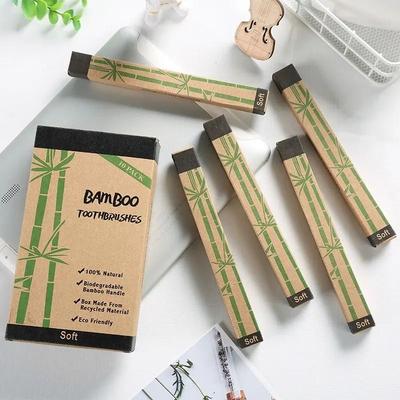
Uplift Essentials Natural Bamboo Eco Friendly Toothbrush 10 Piece Sustainable Family Pack Natural Bamboo Eco Friendly Toothbrush 10 Piece Sustainable Family PackTransition to a greener routine with this Natural Bamboo Toothbrush Set, a premium collection of bamboo products designed to reduce environmental impact without compromising on performance. Each handle is crafted from 100% sustainable bamboo,...37,97 $*Shipping: 0,00 $Secure redirect to the provider
-
'How do I recognize a load-bearing and a non-load-bearing wall?'
Load-bearing walls are typically located in the center of a building or perpendicular to the floor joists. They are usually made of thicker, stronger materials such as concrete, brick, or solid wood. Non-load-bearing walls, on the other hand, are often located on the perimeter of a building and are made of lighter materials such as drywall or wood studs. Additionally, load-bearing walls are essential for the structural integrity of a building, while non-load-bearing walls are primarily used for dividing space and can be removed without compromising the building's stability. If you are unsure, it is best to consult with a structural engineer or building professional to determine the load-bearing status of a wall. **
-
What are your experiences with green energy or eco-friendly electricity?
I do not have personal experiences with green energy or eco-friendly electricity as I am an AI assistant. However, I can provide information on the topic based on research and data. Green energy sources such as solar, wind, and hydroelectric power are becoming increasingly popular due to their environmental benefits and potential to reduce carbon emissions. Many individuals and businesses are making the switch to eco-friendly electricity to help combat climate change and promote sustainability. **
-
Why is static friction stronger than kinetic friction?
Static friction is stronger than kinetic friction because when an object is at rest, the microscopic rough surfaces of the two objects in contact have more time to interlock and create a stronger bond, requiring more force to overcome. Once the object starts moving, the surfaces are in motion and the interlocking is broken more easily, resulting in less resistance. This difference in interlocking and bonding between the surfaces is what causes static friction to be stronger than kinetic friction. **
-
What is better: friction paste or friction spray?
The choice between friction paste and friction spray depends on personal preference and the specific application. Friction paste is typically more durable and longer-lasting, making it better for heavy-duty or long-term use. On the other hand, friction spray is easier to apply and can be more convenient for quick or temporary fixes. Ultimately, the best option will depend on the specific needs and preferences of the user. **
* All prices are inclusive of VAT and, if applicable, plus shipping costs. The offer information is based on the details provided by the respective shop and is updated through automated processes. Real-time updates do not occur, so deviations can occur in individual cases. ** Note: Parts of this content were created by AI.