Buy healthyhouses.eu ?
We are moving the project
healthyhouses.eu .
Are you interested in purchasing the domain
healthyhouses.eu ?
domain@kv-gmbh.de · 0541-91531010
Buy healthyhouses.eu ?
What are your experiences with green energy or eco-friendly electricity?
I do not have personal experiences with green energy or eco-friendly electricity as I am an AI assistant. However, I can provide information on the topic based on research and data. Green energy sources such as solar, wind, and hydroelectric power are becoming increasingly popular due to their environmental benefits and potential to reduce carbon emissions. Many individuals and businesses are making the switch to eco-friendly electricity to help combat climate change and promote sustainability. **
What are maturation processes and learning processes?
Maturation processes refer to the natural biological development and growth that occurs in an individual over time. These processes are largely influenced by genetics and occur without direct instruction or external influence. On the other hand, learning processes involve the acquisition of new knowledge, skills, or behaviors through experiences, instruction, and practice. Learning processes are influenced by environmental factors, social interactions, and cognitive development. Both maturation processes and learning processes play important roles in an individual's overall development and ability to adapt to their environment. **
Similar search terms for Processes
Top-Angebote
Products related to Processes:
-
The Handy Homestead Compostable Sugar Cane Straws Biodegradable Drinking & Eco Friendly Cocktail Straws Compostable Sugar Cane Straws Biodegradable Drinking & Eco Friendly Cocktail StrawsSip with purpose using our premium compostable sugar cane straws, designed for conscious consumers who want sustainability without compromise. These 200pcs 21cm eco alternatives elevate every drink from cold juices to fizzy cocktails while helping...41,97 $*Shipping: 0,00 $Secure redirect to the provider
-
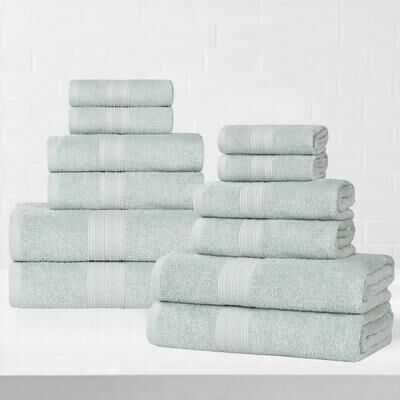
Superior Eco-Friendly Sustainable Cotton 12-Piece Bathroom Towel SetMade with incredibly soft recycled cotton, the Eco-Friendly Sustainable Cotton Bathroom Towel Set is the perfect green addition to any bathroom space. Our sustainable Cotton towels are lightweight to get you dry quickly after a shower or bath.78,99 $*Shipping: 0,00 $Secure redirect to the provider
-
Superior Eco-Friendly Sustainable Cotton 12-Piece Bathroom Towel SetMade with incredibly soft recycled cotton, the Eco-Friendly Sustainable Cotton Bathroom Towel Set is the perfect green addition to any bathroom space. Our sustainable Cotton towels are lightweight to get you dry quickly after a shower or bath.63,19 $*Shipping: 0,00 $Secure redirect to the provider
-
Superior Eco-Friendly Sustainable Cotton 12-Piece Bathroom Towel SetMade with incredibly soft recycled cotton, the Eco-Friendly Sustainable Cotton Bathroom Towel Set is the perfect green addition to any bathroom space. Our sustainable Cotton towels are lightweight to get you dry quickly after a shower or bath.61,91 $*Shipping: 0,00 $Secure redirect to the provider



-
What is the difference between organic and eco-friendly products?
Organic products are made from ingredients that are grown without the use of synthetic pesticides, herbicides, or fertilizers, and are often certified by a regulatory body. Eco-friendly products, on the other hand, are designed to have minimal impact on the environment throughout their entire lifecycle, from production to disposal. While organic products focus on the natural ingredients used, eco-friendly products consider the overall environmental impact of the product. In essence, organic products focus on the ingredients, while eco-friendly products focus on the entire product lifecycle. **
-
Is organic sustainable?
Organic farming practices can be more sustainable than conventional methods in terms of reducing chemical inputs, promoting biodiversity, and improving soil health. However, there are challenges to the scalability and efficiency of organic farming, which can impact its overall sustainability. For example, organic farming typically requires more land and labor to produce the same amount of food as conventional methods, which can limit its ability to meet global food demand. Additionally, the transportation and distribution of organic products can have a higher environmental impact due to their shorter shelf life and the need for refrigeration. Overall, while organic farming has many sustainable benefits, there are also limitations to its long-term sustainability on a large scale. **
-
What is the difference between LMI processes and LMN processes?
LMI (Linear Matrix Inequality) processes and LMN (Linear Matrix Norm) processes are both used in control theory to analyze and design control systems. The main difference between the two is that LMI processes focus on finding solutions to a set of linear matrix inequalities, while LMN processes focus on analyzing the norms of linear matrix equations. LMI processes are used to solve optimization problems and design robust control systems, while LMN processes are used to analyze the stability and performance of control systems. In summary, LMI processes are more focused on optimization and design, while LMN processes are more focused on analysis and stability. **
-
How do you calculate the internal energy in adiabatic processes?
In an adiabatic process, there is no heat exchange with the surroundings, so the change in internal energy is solely due to work done on or by the system. The internal energy change in an adiabatic process can be calculated using the first law of thermodynamics, which states that the change in internal energy is equal to the work done on the system. Mathematically, this can be expressed as ΔU = -W, where ΔU is the change in internal energy and W is the work done on the system. Therefore, to calculate the internal energy change in an adiabatic process, one needs to determine the work done on the system. **


What is the difference between heat treatment processes and hardening processes?
Heat treatment processes refer to a range of techniques used to alter the physical and sometimes chemical properties of a material, typically through heating and cooling. This can include processes such as annealing, tempering, and quenching. Hardening processes, on the other hand, specifically refer to the heat treatment technique used to increase the hardness of a material, typically through heating and then rapidly cooling, or quenching, the material. In essence, hardening is a specific type of heat treatment process focused on increasing the hardness of a material, while heat treatment processes encompass a broader range of techniques aimed at altering various properties of a material. **
What are climatic processes?
Climatic processes refer to the various natural mechanisms and interactions that influence the Earth's climate system. These processes include factors such as solar radiation, greenhouse gas concentrations, ocean currents, and atmospheric circulation patterns. They play a crucial role in determining the long-term trends and variations in global and regional climates. Understanding climatic processes is essential for predicting future climate changes and their potential impacts on ecosystems, weather patterns, and human societies. **
Top-Angebote
Products related to Processes:
-
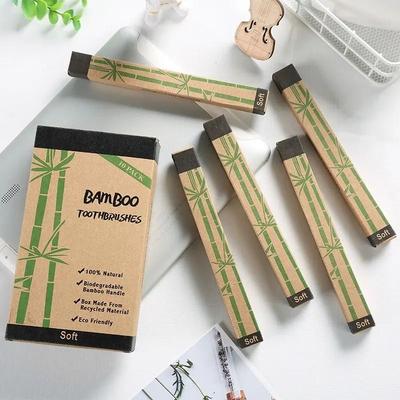
Uplift Essentials Natural Bamboo Eco Friendly Toothbrush 10 Piece Sustainable Family Pack Natural Bamboo Eco Friendly Toothbrush 10 Piece Sustainable Family PackTransition to a greener routine with this Natural Bamboo Toothbrush Set, a premium collection of bamboo products designed to reduce environmental impact without compromising on performance. Each handle is crafted from 100% sustainable bamboo,...37,97 $*Shipping: 0,00 $Secure redirect to the provider
-
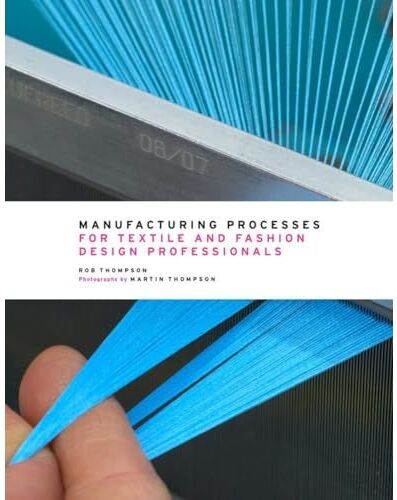
Thames and Hudson Ltd Manufacturing Processes for Textile and Fashion Design ProfessionalsThis fundamental resource for all textile and fashion designers explores over 70 production techniques and over 60 materials used in textile and fashion design. Organized into four main parts – Fibre and Yarn Technology, Textile Technology, Construction Technology, and Materials – it is a complete overview of the life cycle of textile and fashion manufacturing, from the spinning of yarn to recycling. In parts 1–3, over 70 major processes are explained in detail, each featuring a technical description, an analysis of the applications, design opportunities and considerations, quality, cost, speed and environmental impact. All of the processes feature detailed step-by-step case studies showing the process either at source or ‘in manufacture’ at a leading international supplier. Part 4 features essential knowledge on over 60 natural and synthetic materials.36,99 £*Shipping: 0,00 £Secure redirect to the provider
-
The Handy Homestead Compostable Sugar Cane Straws Biodegradable Drinking & Eco Friendly Cocktail Straws Compostable Sugar Cane Straws Biodegradable Drinking & Eco Friendly Cocktail StrawsSip with purpose using our premium compostable sugar cane straws, designed for conscious consumers who want sustainability without compromise. These 200pcs 21cm eco alternatives elevate every drink from cold juices to fizzy cocktails while helping...41,97 $*Shipping: 0,00 $Secure redirect to the provider
-
Superior Eco-Friendly Sustainable Cotton 12-Piece Bathroom Towel SetMade with incredibly soft recycled cotton, the Eco-Friendly Sustainable Cotton Bathroom Towel Set is the perfect green addition to any bathroom space. Our sustainable Cotton towels are lightweight to get you dry quickly after a shower or bath.78,99 $*Shipping: 0,00 $Secure redirect to the provider
-
What are your experiences with green energy or eco-friendly electricity?
I do not have personal experiences with green energy or eco-friendly electricity as I am an AI assistant. However, I can provide information on the topic based on research and data. Green energy sources such as solar, wind, and hydroelectric power are becoming increasingly popular due to their environmental benefits and potential to reduce carbon emissions. Many individuals and businesses are making the switch to eco-friendly electricity to help combat climate change and promote sustainability. **
-
What are maturation processes and learning processes?
Maturation processes refer to the natural biological development and growth that occurs in an individual over time. These processes are largely influenced by genetics and occur without direct instruction or external influence. On the other hand, learning processes involve the acquisition of new knowledge, skills, or behaviors through experiences, instruction, and practice. Learning processes are influenced by environmental factors, social interactions, and cognitive development. Both maturation processes and learning processes play important roles in an individual's overall development and ability to adapt to their environment. **
-
What is the difference between organic and eco-friendly products?
Organic products are made from ingredients that are grown without the use of synthetic pesticides, herbicides, or fertilizers, and are often certified by a regulatory body. Eco-friendly products, on the other hand, are designed to have minimal impact on the environment throughout their entire lifecycle, from production to disposal. While organic products focus on the natural ingredients used, eco-friendly products consider the overall environmental impact of the product. In essence, organic products focus on the ingredients, while eco-friendly products focus on the entire product lifecycle. **
-
Is organic sustainable?
Organic farming practices can be more sustainable than conventional methods in terms of reducing chemical inputs, promoting biodiversity, and improving soil health. However, there are challenges to the scalability and efficiency of organic farming, which can impact its overall sustainability. For example, organic farming typically requires more land and labor to produce the same amount of food as conventional methods, which can limit its ability to meet global food demand. Additionally, the transportation and distribution of organic products can have a higher environmental impact due to their shorter shelf life and the need for refrigeration. Overall, while organic farming has many sustainable benefits, there are also limitations to its long-term sustainability on a large scale. **
Similar search terms for Processes
-
Superior Eco-Friendly Sustainable Cotton 12-Piece Bathroom Towel SetMade with incredibly soft recycled cotton, the Eco-Friendly Sustainable Cotton Bathroom Towel Set is the perfect green addition to any bathroom space. Our sustainable Cotton towels are lightweight to get you dry quickly after a shower or bath.63,19 $*Shipping: 0,00 $Secure redirect to the provider
-
Superior Eco-Friendly Sustainable Cotton 12-Piece Bathroom Towel SetMade with incredibly soft recycled cotton, the Eco-Friendly Sustainable Cotton Bathroom Towel Set is the perfect green addition to any bathroom space. Our sustainable Cotton towels are lightweight to get you dry quickly after a shower or bath.61,91 $*Shipping: 0,00 $Secure redirect to the provider
-
Superior Eco-Friendly Sustainable Cotton 12-Piece Bathroom Towel SetMade with incredibly soft recycled cotton, the Eco-Friendly Sustainable Cotton Bathroom Towel Set is the perfect green addition to any bathroom space. Our sustainable Cotton towels are lightweight to get you dry quickly after a shower or bath.64,59 $*Shipping: 0,00 $Secure redirect to the provider
-
Superior Eco-Friendly Sustainable Cotton 12-Piece Bathroom Towel SetMade with incredibly soft recycled cotton, the Eco-Friendly Sustainable Cotton Bathroom Towel Set is the perfect green addition to any bathroom space. Our sustainable Cotton towels are lightweight to get you dry quickly after a shower or bath.80,99 $*Shipping: 0,00 $Secure redirect to the provider
-
What is the difference between LMI processes and LMN processes?
LMI (Linear Matrix Inequality) processes and LMN (Linear Matrix Norm) processes are both used in control theory to analyze and design control systems. The main difference between the two is that LMI processes focus on finding solutions to a set of linear matrix inequalities, while LMN processes focus on analyzing the norms of linear matrix equations. LMI processes are used to solve optimization problems and design robust control systems, while LMN processes are used to analyze the stability and performance of control systems. In summary, LMI processes are more focused on optimization and design, while LMN processes are more focused on analysis and stability. **
-
How do you calculate the internal energy in adiabatic processes?
In an adiabatic process, there is no heat exchange with the surroundings, so the change in internal energy is solely due to work done on or by the system. The internal energy change in an adiabatic process can be calculated using the first law of thermodynamics, which states that the change in internal energy is equal to the work done on the system. Mathematically, this can be expressed as ΔU = -W, where ΔU is the change in internal energy and W is the work done on the system. Therefore, to calculate the internal energy change in an adiabatic process, one needs to determine the work done on the system. **
-
What is the difference between heat treatment processes and hardening processes?
Heat treatment processes refer to a range of techniques used to alter the physical and sometimes chemical properties of a material, typically through heating and cooling. This can include processes such as annealing, tempering, and quenching. Hardening processes, on the other hand, specifically refer to the heat treatment technique used to increase the hardness of a material, typically through heating and then rapidly cooling, or quenching, the material. In essence, hardening is a specific type of heat treatment process focused on increasing the hardness of a material, while heat treatment processes encompass a broader range of techniques aimed at altering various properties of a material. **
-
What are climatic processes?
Climatic processes refer to the various natural mechanisms and interactions that influence the Earth's climate system. These processes include factors such as solar radiation, greenhouse gas concentrations, ocean currents, and atmospheric circulation patterns. They play a crucial role in determining the long-term trends and variations in global and regional climates. Understanding climatic processes is essential for predicting future climate changes and their potential impacts on ecosystems, weather patterns, and human societies. **
* All prices are inclusive of VAT and, if applicable, plus shipping costs. The offer information is based on the details provided by the respective shop and is updated through automated processes. Real-time updates do not occur, so deviations can occur in individual cases. ** Note: Parts of this content were created by AI.