Buy healthyhouses.eu ?
We are moving the project
healthyhouses.eu .
Are you interested in purchasing the domain
healthyhouses.eu ?
domain@kv-gmbh.de · 0541-91531010
Buy healthyhouses.eu ?
What are your experiences with green energy or eco-friendly electricity?
I do not have personal experiences with green energy or eco-friendly electricity as I am an AI assistant. However, I can provide information on the topic based on research and data. Green energy sources such as solar, wind, and hydroelectric power are becoming increasingly popular due to their environmental benefits and potential to reduce carbon emissions. Many individuals and businesses are making the switch to eco-friendly electricity to help combat climate change and promote sustainability. **
How to create an energy diagram?
To create an energy diagram, start by identifying the reactants and products of the chemical reaction. Then, determine the energy changes associated with each step of the reaction, including the activation energy and overall energy change. Plot the energy levels on the y-axis and the reaction progress on the x-axis. Finally, draw the energy profile by connecting the energy levels of the reactants, transition states, and products with appropriate curves to represent the energy changes throughout the reaction. **

Similar search terms for Diagram
Top-Angebote
Products related to Diagram:
-
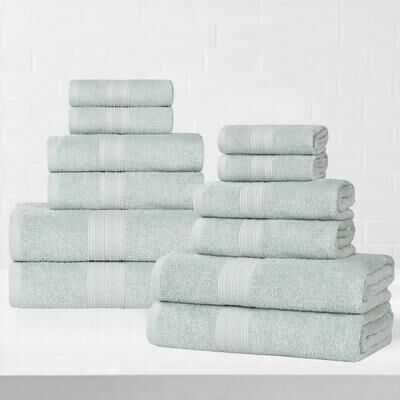
Superior Eco-Friendly Sustainable Cotton 12-Piece Bathroom Towel SetMade with incredibly soft recycled cotton, the Eco-Friendly Sustainable Cotton Bathroom Towel Set is the perfect green addition to any bathroom space. Our sustainable Cotton towels are lightweight to get you dry quickly after a shower or bath.78,99 $*Shipping: 0,00 $Secure redirect to the provider
-
Superior Eco-Friendly Sustainable Cotton 12-Piece Bathroom Towel SetMade with incredibly soft recycled cotton, the Eco-Friendly Sustainable Cotton Bathroom Towel Set is the perfect green addition to any bathroom space. Our sustainable Cotton towels are lightweight to get you dry quickly after a shower or bath.63,19 $*Shipping: 0,00 $Secure redirect to the provider
-
Superior Eco-Friendly Sustainable Cotton 12-Piece Bathroom Towel SetMade with incredibly soft recycled cotton, the Eco-Friendly Sustainable Cotton Bathroom Towel Set is the perfect green addition to any bathroom space. Our sustainable Cotton towels are lightweight to get you dry quickly after a shower or bath.61,91 $*Shipping: 0,00 $Secure redirect to the provider
-
Superior Eco-Friendly Sustainable Cotton 12-Piece Bathroom Towel SetMade with incredibly soft recycled cotton, the Eco-Friendly Sustainable Cotton Bathroom Towel Set is the perfect green addition to any bathroom space. Our sustainable Cotton towels are lightweight to get you dry quickly after a shower or bath.64,59 $*Shipping: 0,00 $Secure redirect to the provider



-
What is an energy flow diagram?
An energy flow diagram is a visual representation of the flow of energy through a system or process. It typically uses arrows to show the direction of energy transfer and different components to represent the various forms of energy involved, such as heat, electricity, or mechanical energy. Energy flow diagrams are useful for understanding how energy is transformed and transferred within a system, and can help identify areas for energy efficiency improvements. They are commonly used in the fields of engineering, environmental science, and sustainability to analyze energy usage and identify opportunities for energy conservation. **
-
What is the difference between organic and eco-friendly products?
Organic products are made from ingredients that are grown without the use of synthetic pesticides, herbicides, or fertilizers, and are often certified by a regulatory body. Eco-friendly products, on the other hand, are designed to have minimal impact on the environment throughout their entire lifecycle, from production to disposal. While organic products focus on the natural ingredients used, eco-friendly products consider the overall environmental impact of the product. In essence, organic products focus on the ingredients, while eco-friendly products focus on the entire product lifecycle. **
-
How to draw an energy flow diagram?
To draw an energy flow diagram, start by identifying the different energy sources and sinks in the system you want to represent. Then, draw boxes or circles to represent each source and sink, labeling them accordingly. Next, use arrows to show the flow of energy between the different components, indicating the direction and quantity of energy transfer. Make sure to include all relevant energy inputs and outputs to create a comprehensive representation of the energy flow within the system. **
-
How do you start an energy diagram?
To start an energy diagram, you first need to identify the initial and final states of the system you are analyzing. Then, you can draw a horizontal line to represent the energy axis, with the initial state on the left and the final state on the right. Next, you can label the energy levels of the initial and final states, and draw arrows to represent the energy changes that occur during the process. Finally, you can add any additional information, such as the specific energy values or the type of energy involved in each step of the process. **

How does the energy flow diagram work?
The energy flow diagram is a visual representation of the flow of energy through a system. It typically consists of a series of boxes or circles representing different energy sources, processes, and energy users, with arrows indicating the direction of energy flow. The diagram helps to illustrate how energy is transformed and transferred within a system, providing a clear understanding of the inputs, outputs, and energy losses at each stage. This can be useful for analyzing energy efficiency, identifying opportunities for energy conservation, and understanding the overall energy balance within a system. **
How do I start an energy diagram?
To start an energy diagram, you first need to identify the system or process for which you want to create the diagram. Then, you should identify the different forms of energy involved in the system, such as kinetic, potential, thermal, or chemical energy. Next, you can choose a reference point for your energy diagram, such as ground level or a specific initial state, and assign it a reference energy value of zero. Finally, you can plot the different forms of energy on the diagram, showing how they change over time or in different states of the system. **
Top-Angebote
Products related to Diagram:
-
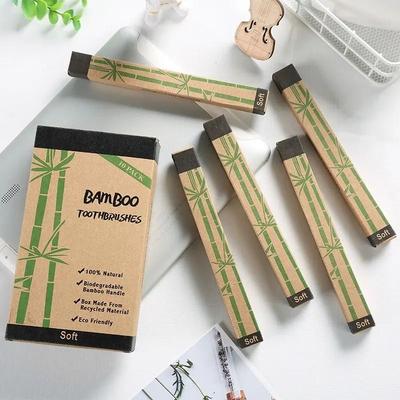
Uplift Essentials Natural Bamboo Eco Friendly Toothbrush 10 Piece Sustainable Family Pack Natural Bamboo Eco Friendly Toothbrush 10 Piece Sustainable Family PackTransition to a greener routine with this Natural Bamboo Toothbrush Set, a premium collection of bamboo products designed to reduce environmental impact without compromising on performance. Each handle is crafted from 100% sustainable bamboo,...37,97 $*Shipping: 0,00 $Secure redirect to the provider
-
The Handy Homestead Compostable Sugar Cane Straws Biodegradable Drinking & Eco Friendly Cocktail Straws Compostable Sugar Cane Straws Biodegradable Drinking & Eco Friendly Cocktail StrawsSip with purpose using our premium compostable sugar cane straws, designed for conscious consumers who want sustainability without compromise. These 200pcs 21cm eco alternatives elevate every drink from cold juices to fizzy cocktails while helping...41,97 $*Shipping: 0,00 $Secure redirect to the provider
-
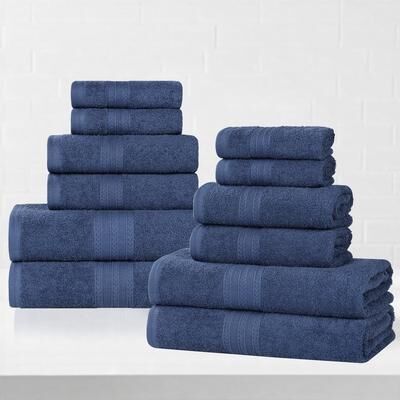
Superior Eco-Friendly Sustainable Cotton 12-Piece Bathroom Towel SetMade with incredibly soft recycled cotton, the Eco-Friendly Sustainable Cotton Bathroom Towel Set is the perfect green addition to any bathroom space. Our sustainable Cotton towels are lightweight to get you dry quickly after a shower or bath.78,99 $*Shipping: 0,00 $Secure redirect to the provider
-
Superior Eco-Friendly Sustainable Cotton 12-Piece Bathroom Towel SetMade with incredibly soft recycled cotton, the Eco-Friendly Sustainable Cotton Bathroom Towel Set is the perfect green addition to any bathroom space. Our sustainable Cotton towels are lightweight to get you dry quickly after a shower or bath.63,19 $*Shipping: 0,00 $Secure redirect to the provider
-
What are your experiences with green energy or eco-friendly electricity?
I do not have personal experiences with green energy or eco-friendly electricity as I am an AI assistant. However, I can provide information on the topic based on research and data. Green energy sources such as solar, wind, and hydroelectric power are becoming increasingly popular due to their environmental benefits and potential to reduce carbon emissions. Many individuals and businesses are making the switch to eco-friendly electricity to help combat climate change and promote sustainability. **
-
How to create an energy diagram?
To create an energy diagram, start by identifying the reactants and products of the chemical reaction. Then, determine the energy changes associated with each step of the reaction, including the activation energy and overall energy change. Plot the energy levels on the y-axis and the reaction progress on the x-axis. Finally, draw the energy profile by connecting the energy levels of the reactants, transition states, and products with appropriate curves to represent the energy changes throughout the reaction. **
-
What is an energy flow diagram?
An energy flow diagram is a visual representation of the flow of energy through a system or process. It typically uses arrows to show the direction of energy transfer and different components to represent the various forms of energy involved, such as heat, electricity, or mechanical energy. Energy flow diagrams are useful for understanding how energy is transformed and transferred within a system, and can help identify areas for energy efficiency improvements. They are commonly used in the fields of engineering, environmental science, and sustainability to analyze energy usage and identify opportunities for energy conservation. **
-
What is the difference between organic and eco-friendly products?
Organic products are made from ingredients that are grown without the use of synthetic pesticides, herbicides, or fertilizers, and are often certified by a regulatory body. Eco-friendly products, on the other hand, are designed to have minimal impact on the environment throughout their entire lifecycle, from production to disposal. While organic products focus on the natural ingredients used, eco-friendly products consider the overall environmental impact of the product. In essence, organic products focus on the ingredients, while eco-friendly products focus on the entire product lifecycle. **
Similar search terms for Diagram
-
Superior Eco-Friendly Sustainable Cotton 12-Piece Bathroom Towel SetMade with incredibly soft recycled cotton, the Eco-Friendly Sustainable Cotton Bathroom Towel Set is the perfect green addition to any bathroom space. Our sustainable Cotton towels are lightweight to get you dry quickly after a shower or bath.61,91 $*Shipping: 0,00 $Secure redirect to the provider
-
Superior Eco-Friendly Sustainable Cotton 12-Piece Bathroom Towel SetMade with incredibly soft recycled cotton, the Eco-Friendly Sustainable Cotton Bathroom Towel Set is the perfect green addition to any bathroom space. Our sustainable Cotton towels are lightweight to get you dry quickly after a shower or bath.64,59 $*Shipping: 0,00 $Secure redirect to the provider
-
Superior Eco-Friendly Sustainable Cotton 12-Piece Bathroom Towel SetMade with incredibly soft recycled cotton, the Eco-Friendly Sustainable Cotton Bathroom Towel Set is the perfect green addition to any bathroom space. Our sustainable Cotton towels are lightweight to get you dry quickly after a shower or bath.80,99 $*Shipping: 0,00 $Secure redirect to the provider
-
Superior Eco-Friendly Sustainable Cotton 12-Piece Bathroom Towel SetMade with incredibly soft recycled cotton, the Eco-Friendly Sustainable Cotton Bathroom Towel Set is the perfect green addition to any bathroom space. Our sustainable Cotton towels are lightweight to get you dry quickly after a shower or bath.59,64 $*Shipping: 0,00 $Secure redirect to the provider
-
How to draw an energy flow diagram?
To draw an energy flow diagram, start by identifying the different energy sources and sinks in the system you want to represent. Then, draw boxes or circles to represent each source and sink, labeling them accordingly. Next, use arrows to show the flow of energy between the different components, indicating the direction and quantity of energy transfer. Make sure to include all relevant energy inputs and outputs to create a comprehensive representation of the energy flow within the system. **
-
How do you start an energy diagram?
To start an energy diagram, you first need to identify the initial and final states of the system you are analyzing. Then, you can draw a horizontal line to represent the energy axis, with the initial state on the left and the final state on the right. Next, you can label the energy levels of the initial and final states, and draw arrows to represent the energy changes that occur during the process. Finally, you can add any additional information, such as the specific energy values or the type of energy involved in each step of the process. **
-
How does the energy flow diagram work?
The energy flow diagram is a visual representation of the flow of energy through a system. It typically consists of a series of boxes or circles representing different energy sources, processes, and energy users, with arrows indicating the direction of energy flow. The diagram helps to illustrate how energy is transformed and transferred within a system, providing a clear understanding of the inputs, outputs, and energy losses at each stage. This can be useful for analyzing energy efficiency, identifying opportunities for energy conservation, and understanding the overall energy balance within a system. **
-
How do I start an energy diagram?
To start an energy diagram, you first need to identify the system or process for which you want to create the diagram. Then, you should identify the different forms of energy involved in the system, such as kinetic, potential, thermal, or chemical energy. Next, you can choose a reference point for your energy diagram, such as ground level or a specific initial state, and assign it a reference energy value of zero. Finally, you can plot the different forms of energy on the diagram, showing how they change over time or in different states of the system. **
* All prices are inclusive of VAT and, if applicable, plus shipping costs. The offer information is based on the details provided by the respective shop and is updated through automated processes. Real-time updates do not occur, so deviations can occur in individual cases. ** Note: Parts of this content were created by AI.